Your Solar Panels Are Producing Power. Is Your Home Using It Where You Need It?
A Brookhaven homeowner with rooftop solar, Tesla Powerwall battery storage, two electrical panels and three HVAC systems noticed an imbalance in how the home was using electricity. The Fuse Crew moved one heavily used HVAC circuit between panels and gave the homeowner a way to monitor the results.
This wasn't a house with an electrical problem.
Nothing was tripping. Nothing had stopped working. The electrical panels didn't need to be replaced.
The homeowner called The Fuse Crew because the data from his own home was telling him something didn't quite add up.
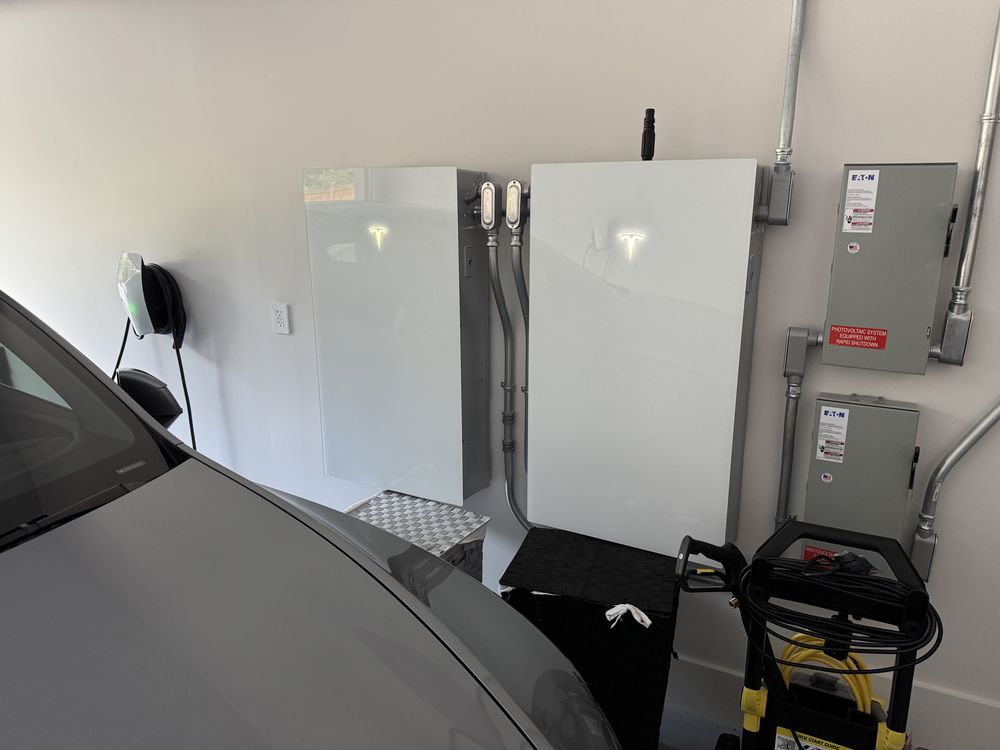
This is a newer, high-end home in Brookhaven, Georgia, with rooftop solar, Tesla Powerwall battery storage, two electrical panels and three separate HVAC systems. After living in the house for several months and watching how the home was producing and consuming electricity, the homeowner started noticing an imbalance.
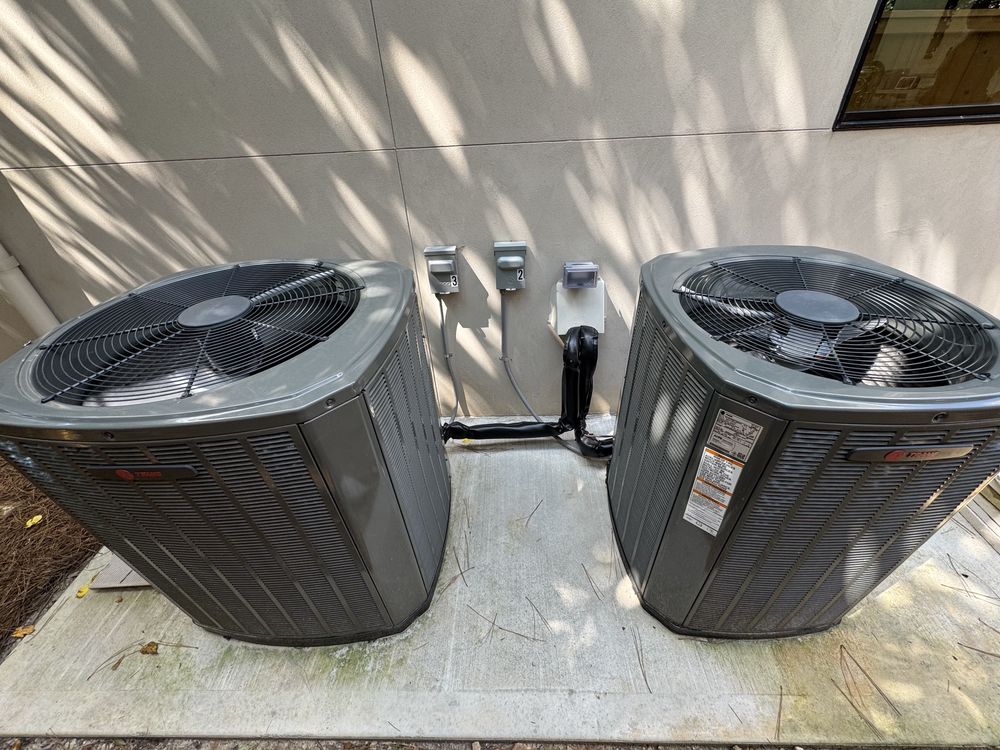
All three HVAC systems were being supplied from the same electrical panel.
The second panel had considerably less demand.
His question for us was pretty straightforward: Could we move one of the larger electrical loads from Panel 1 to Panel 2 and create a better balance?
We could. But first we had to figure out which load actually made sense to move.
Three HVAC Systems, Two Electrical Panels
This is where knowing how someone actually lives in a house becomes useful.
The homeowner didn't use all three HVAC systems equally. The upstairs system runs considerably more because that's where the bedrooms and one of the home offices are located. They spend a lot of time upstairs, and they like to keep that part of the house cold.
So instead of arbitrarily picking a circuit and moving it, the upstairs HVAC system gave us a logical place to start.
The homeowner already had another advantage: data.
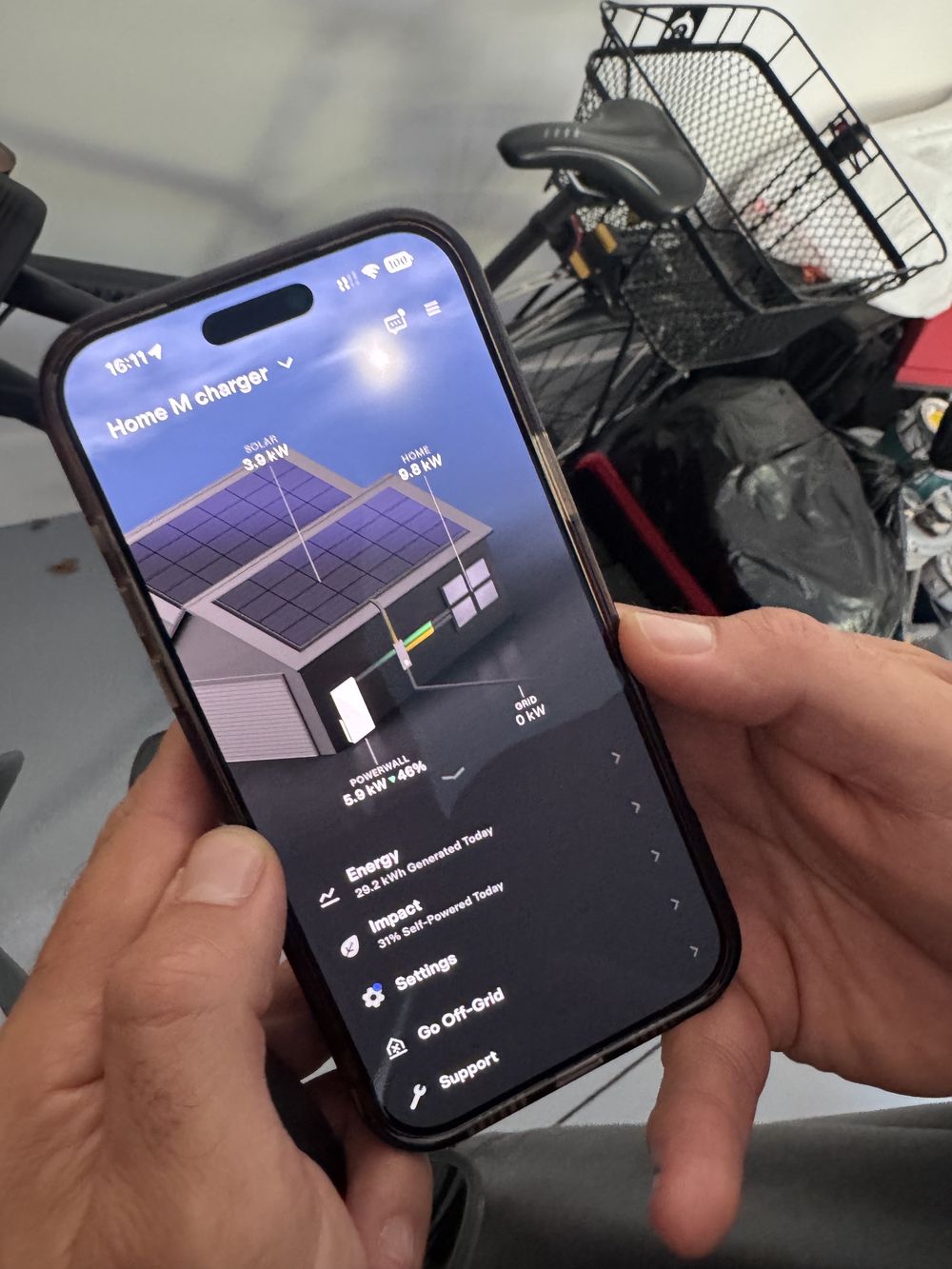
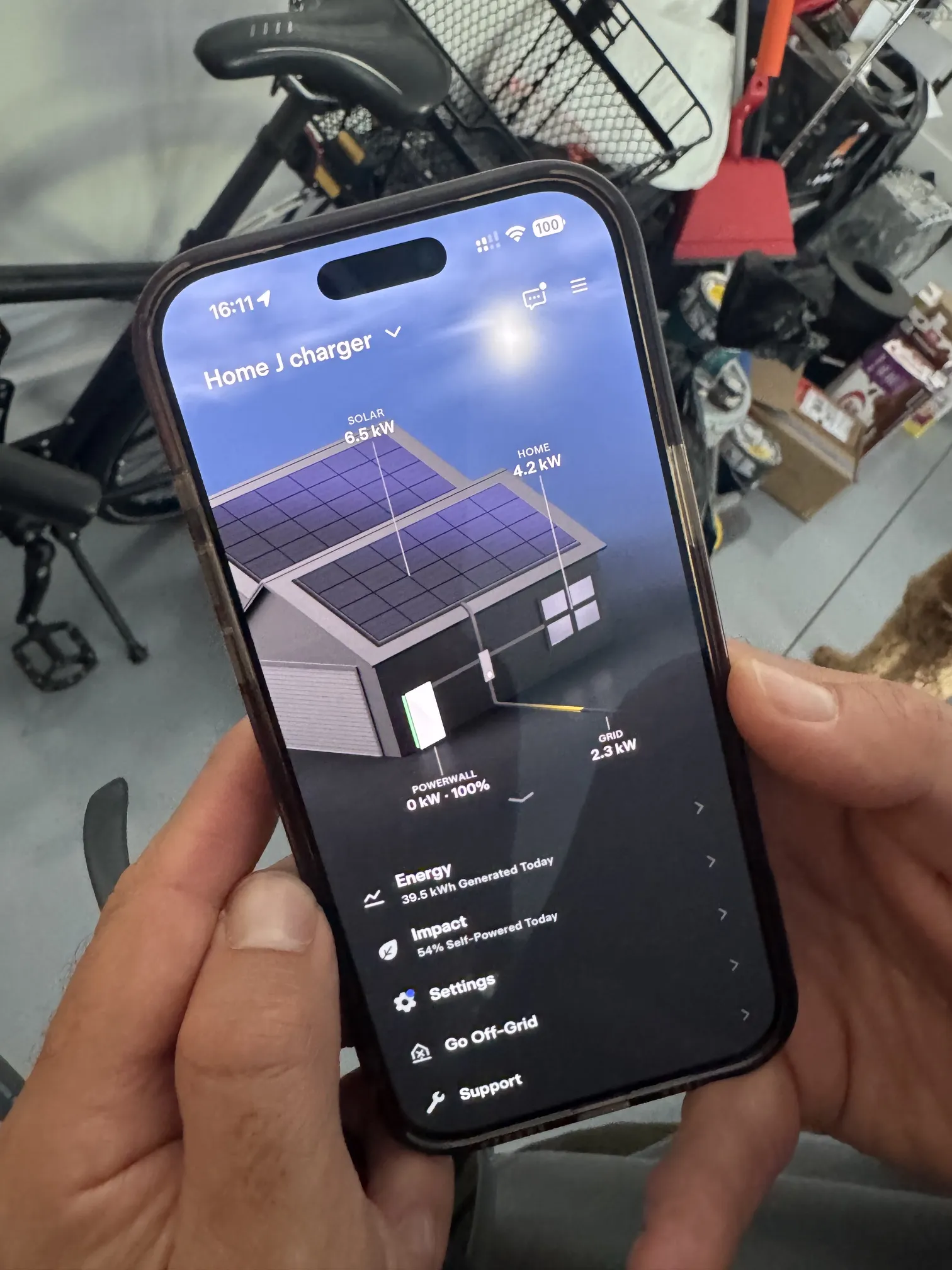
With the home's solar, battery storage and energy-monitoring system, he could see electricity being generated and consumed in real time. We could look at that information alongside the electrical setup and talk through what he was actually trying to accomplish.
The answer wasn't to start changing the solar equipment.
It was to look at the electrical distribution inside the home.
Moving the Upstairs HVAC Circuit From One Panel to the Other
Once we settled on the upstairs HVAC system, the electrical work itself was fairly specific.
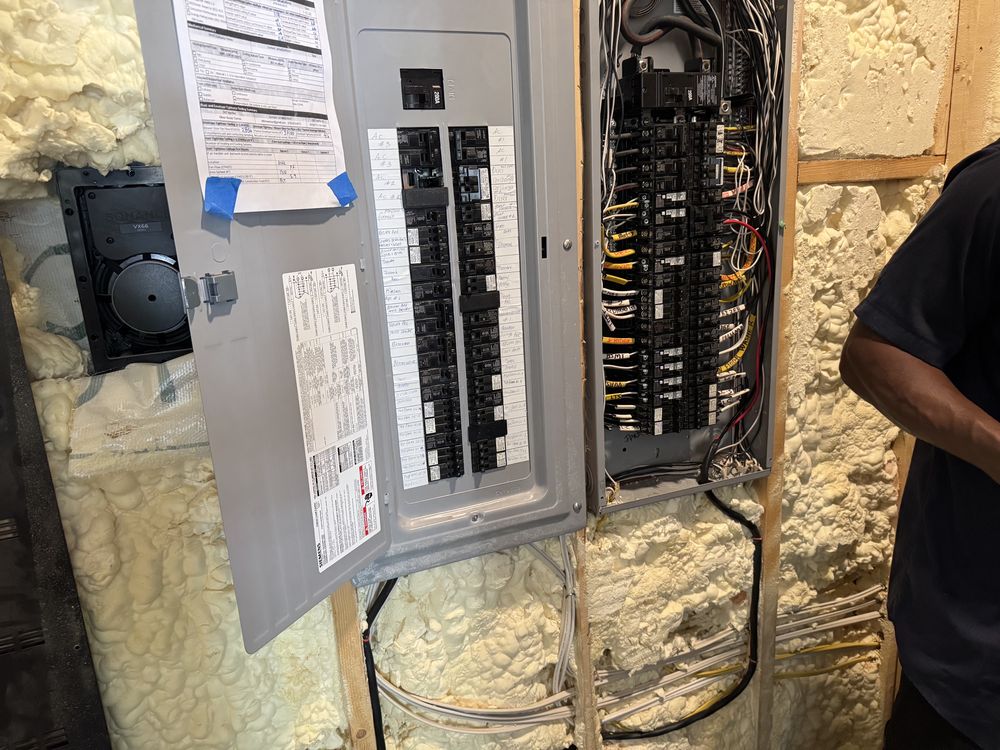
We removed that HVAC circuit from the first panel and relocated it to the second electrical panel.
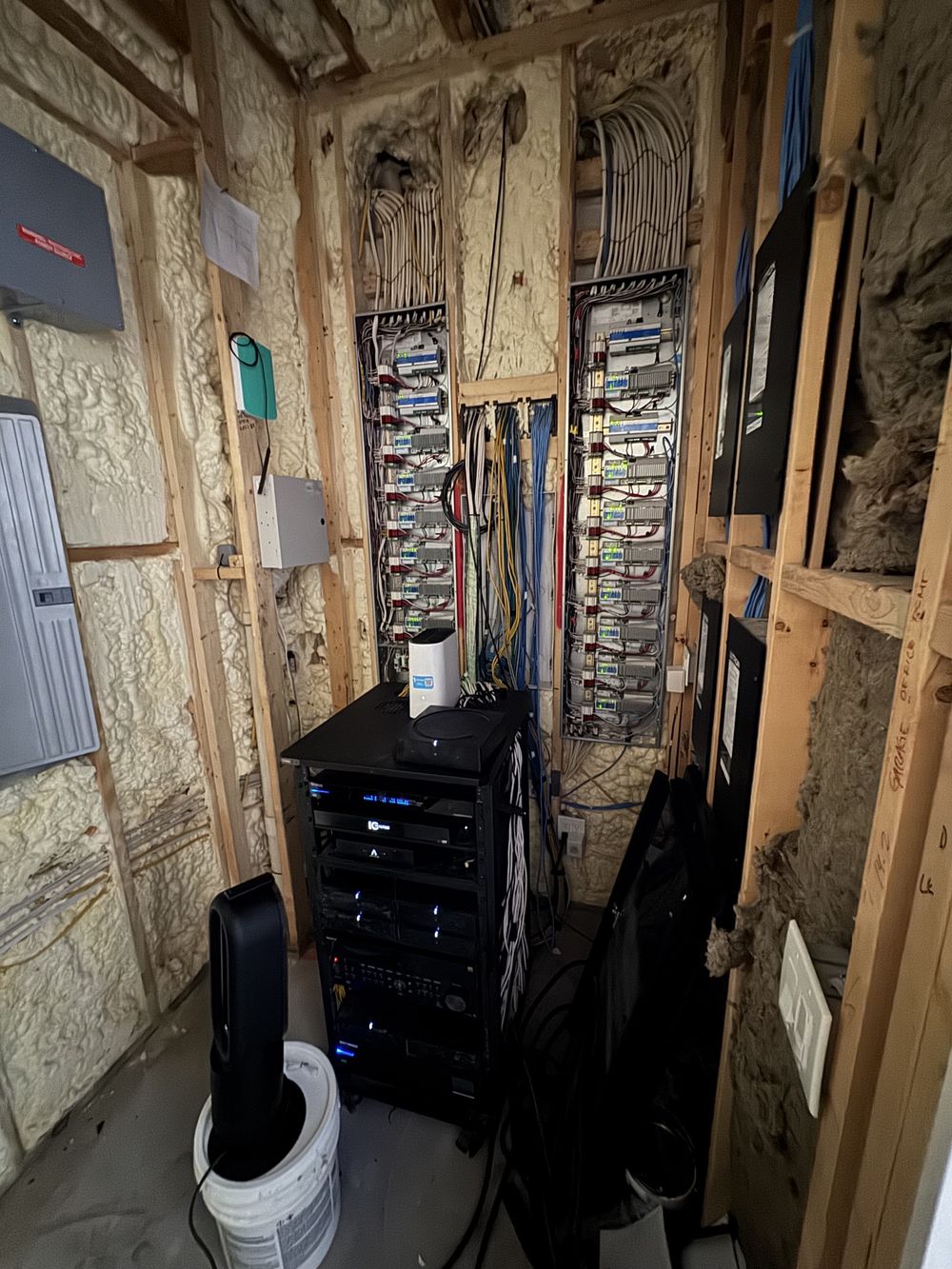
The two panels sit next to each other, but this wasn't simply a matter of moving a breaker a few inches.
The wall around the panels was packed with spray foam insulation and already contained a substantial amount of wiring. We opened the area we needed, created a path between the panels, ran the new wiring and made the necessary connections so the upstairs HVAC system would now be supplied from Panel 2.
Then we tested the system and confirmed that the HVAC equipment was operating properly.
The homeowner now has one of his most heavily used HVAC systems on the other panel.
That's the change.
No new electrical panel. No solar-system overhaul. No unnecessary equipment.
The Solar Didn't Need Fixing
This distinction matters because it would be easy to tell this story the wrong way.
We didn't make the solar panels produce more electricity. We didn't modify the Tesla Powerwalls. And moving an HVAC circuit from one panel to another isn't some universal trick for making a solar home more efficient.
What we changed was the distribution of electrical load inside this particular home.
The solar and battery system simply gave this homeowner much better visibility into what was happening.
That's one of the interesting things we're starting to see in newer homes. Homeowners have access to information that used to be largely invisible. Instead of seeing nothing more than a monthly electric bill, they can watch energy production and consumption throughout the day.
But having more data doesn't automatically tell you what electrical work should be done.
That's where we came in.
Why We Only Moved One HVAC Circuit
There was another decision we made on this job that I think is worth explaining.
We could have started moving additional loads between the panels.
We didn't.
The upstairs HVAC system was the clearest place to start because the homeowner already knew how heavily they used it. Moving that circuit gave them an opportunity to make one meaningful change and then go back to the energy data.
Now they're going to watch what happens.
If the numbers show that another load would make sense to relocate later, we can come back and look at that with them.
I'd rather do that than move several circuits at once and then have no good way of knowing which change actually mattered.
That's particularly true in a house the owners have only lived in for several months. They're still learning how they use the home through different seasons.
What Electrical Load Balancing Means in a Home Like This
“Load balancing” can sound more complicated than it needs to be.
In this Brookhaven home, the practical issue was that three substantial HVAC loads had all been assigned to one of two electrical panels, while the homeowners were seeing considerably different usage associated with the two sides of their electrical system.
That doesn't mean every home with two panels needs its circuits divided equally.
It also doesn't mean you should start moving breakers simply because two numbers on an energy-monitoring app aren't identical.
The electrical system has to be evaluated as a system.
Which panel serves which equipment? How large are the loads? How often are they actually used? What is the capacity and configuration of the existing equipment? Is the home using solar, battery storage, EV charging or other large electrical loads?
In this case, the homeowner's usage pattern and the electrical setup gave us a reasonable change to make.
So we made it.
Electrical Panel Work Isn't Always a Panel Replacement
We've seen this more than once.
A homeowner calls because something involving the electrical panel doesn't seem right, and there's an assumption that “panel work” means somebody is going to recommend a new panel.
Sometimes replacement is absolutely the right answer.
Other times, the panel itself isn't the problem.
On another Atlanta-area job, we found that a homeowner who had been quoted thousands of dollars for a panel replacement actually had an issue involving several breakers. On this Brookhaven project, neither panel needed replacing at all.
The job was about understanding what the existing electrical system was doing and making a targeted change.
That's much closer to how we want The Fuse Crew approaching these calls.
Figure out what we're actually trying to solve first. Then decide what electrical work makes sense.
A More Complicated Home Requires a Better Look at the Whole System
Residential electrical systems are changing.
We're seeing homes with rooftop solar, battery storage, EV chargers, multiple HVAC systems, smart-home equipment and larger electrical demands than homeowners may have had a generation ago.
The individual pieces matter, but so does how they work together.
That's why this Brookhaven project was interesting.
The homeowner wasn't asking us to install another piece of equipment. He was asking us to understand the electrical system he already had and help make it work better for the way his family actually uses the house.
Sometimes the right electrical upgrade isn't adding more.
It's making a smarter change to what's already there.
If you have a home in Brookhaven or the Atlanta area with multiple electrical panels, solar and battery storage, EV charging, multiple HVAC systems or other substantial electrical loads, Fuse Crew Electrical can take a look at how the existing system is configured and help determine whether a change makes sense.
The Fuse Crew
Wired Right. Powered Bright.