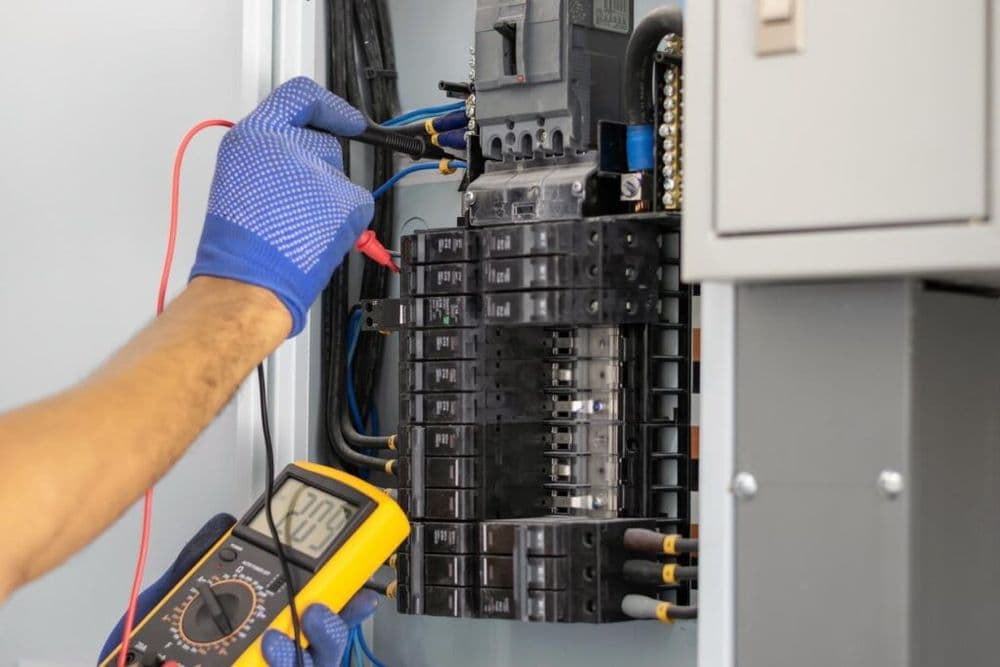
Home Electrical Safety Inspections in Atlanta
Buying an older home? Concerned about frequently tripping breakers, outdated wiring or a questionable electrical panel? The Fuse Crew helps Atlanta homeowners identify electrical safety concerns and understand what needs attention.
Electrical Safety Inspection Services
Home Electrical Safety Inspections in Atlanta
Most homeowners don't think much about their electrical system until something stops working. A breaker starts tripping. An outlet feels unusually warm. Lights flicker for no obvious reason. Or maybe they've purchased an older home and aren't sure what electrical work has been done over the years.
Those are good reasons to have an electrician take a closer look.
At The Fuse Crew, we help homeowners throughout Atlanta, Buckhead, Sandy Springs, Brookhaven, Roswell, Alpharetta and surrounding communities evaluate electrical safety concerns, identify potential hazards and understand which repairs or upgrades may be necessary.
What Does a Home Electrical Safety Inspection Cover?
Every home is different. The age of the electrical system, previous renovations and any problems the homeowner has noticed help determine what needs attention.
Depending on the scope of the inspection, we may evaluate:
Electrical panels and breakers: Visible signs of overheating, damaged components, corrosion, improper breaker configurations or other concerns.
Outlets and switches: Damaged receptacles, loose connections, signs of overheating and outlets that aren't functioning properly.
GFCI protection: Ground-fault protection in areas such as kitchens, bathrooms, garages and outdoor locations where required.
Grounding and bonding: Accessible components of the home's grounding and bonding system.
Visible wiring: Exposed, damaged or improperly installed wiring in accessible areas.
Electrical loads: Concerns involving overloaded circuits, frequently tripping breakers or changes in household electrical demand.
An inspection isn't the same as opening every wall or examining every concealed wire. We explain what can be evaluated, what may require additional testing and where further investigation is recommended.
Electrical Warning Signs Homeowners Shouldn't Ignore
Some electrical problems are obvious. Others develop gradually.
Warning signs worth investigating include:
Breakers that repeatedly trip or won't reset properly
Outlets or switches that feel unusually warm
Burning smells, buzzing sounds or visible discoloration around electrical equipment
Flickering or dimming lights without an obvious explanation
Damaged outlets, exposed wiring or deteriorating electrical equipment
Electrical problems that return after someone has already attempted a repair
If you notice smoke, arcing or signs of active overheating, don't treat it as a routine inspection request. Keep clear of the affected equipment and seek urgent professional assistance.
What We Learned From a Serious Electrical Failure in Sandy Springs
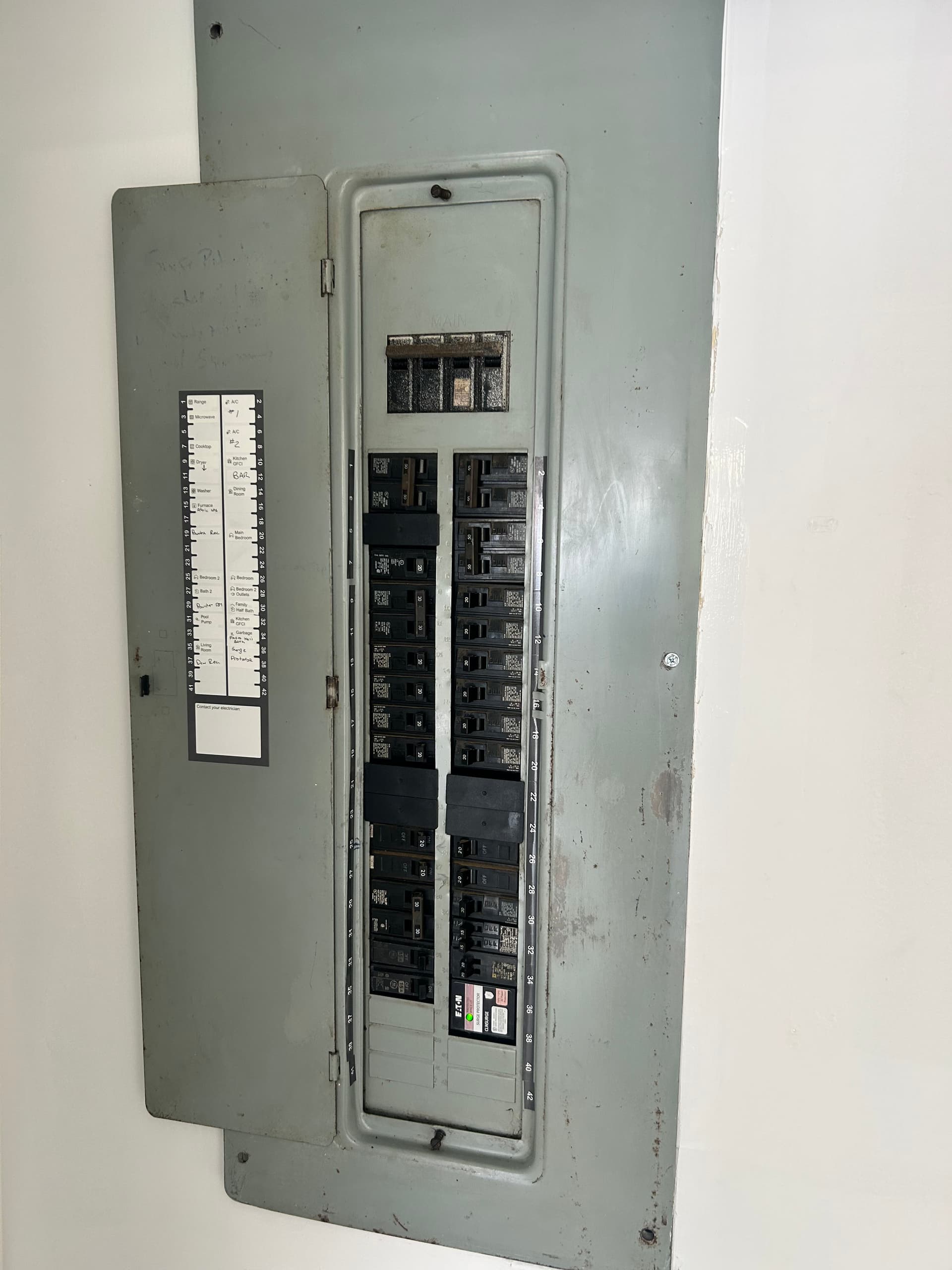
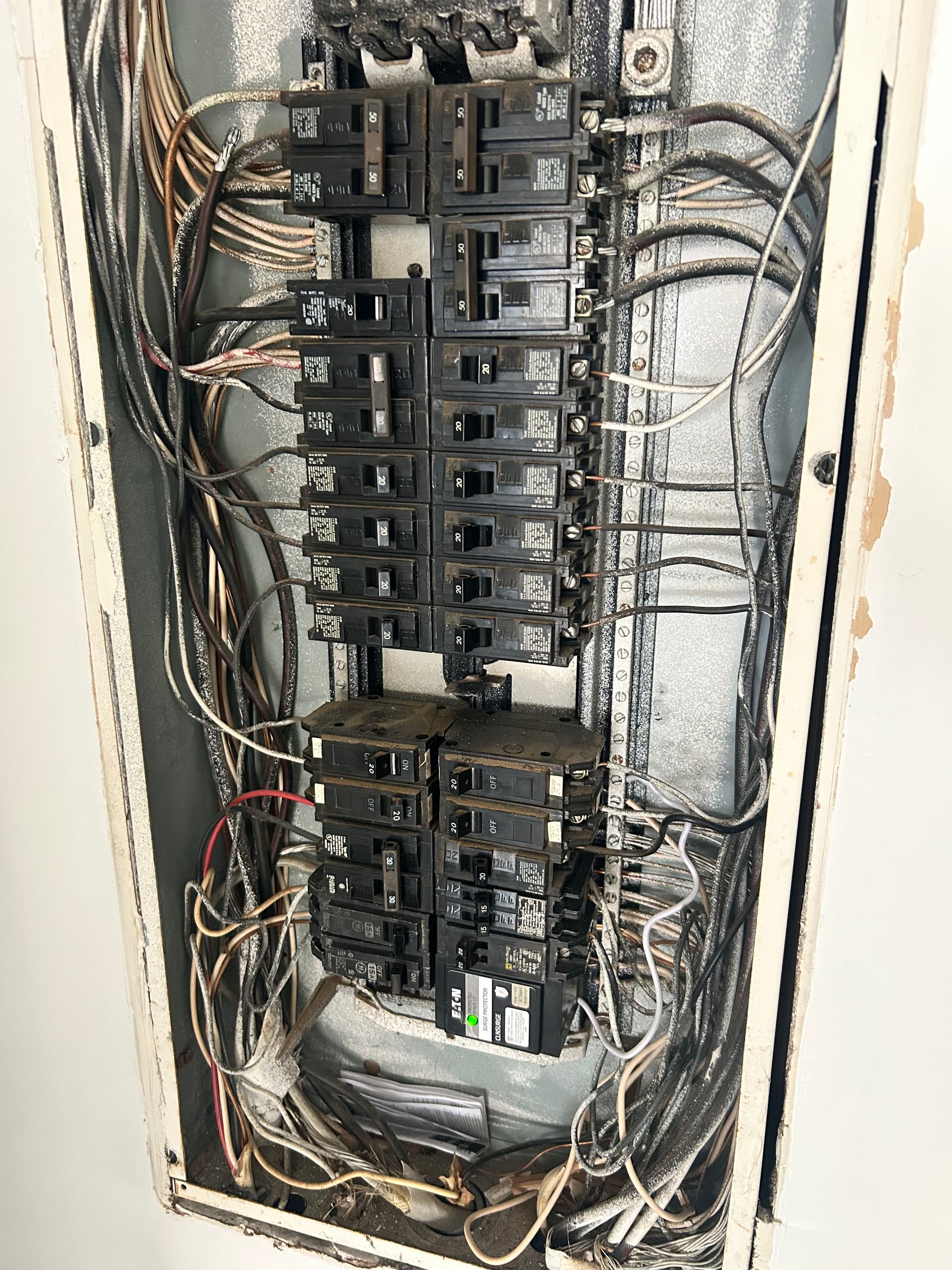
One of our more serious electrical repair projects involved a townhouse in Sandy Springs where the electrical panel had suffered extensive heat damage.
The panel's bus bar had melted, service wiring was damaged, and the electrical system required significant repairs. We also learned that the main breaker had been reset repeatedly in the months leading up to the failure.
This wasn't a routine home inspection. It was an emergency electrical repair.
But the experience illustrates something important: a breaker that keeps tripping is telling you something. Resetting it repeatedly without identifying the cause can leave a dangerous electrical problem unresolved.
We ultimately replaced the damaged electrical equipment and associated wiring needed to restore service.
It's exactly why we encourage homeowners to take recurring electrical problems seriously rather than waiting for a complete failure.
Electrical Safety Inspection vs. Electrical Troubleshooting
These services are related, but they're not identical.
An electrical safety inspection evaluates the condition of accessible electrical components and looks for potential hazards or deficiencies within an agreed scope. It's useful when buying an older home, planning renovations or wanting a broader assessment of an electrical system.
Electrical troubleshooting focuses on finding the cause of a particular problem, such as a breaker that keeps tripping, an outlet that stopped working or lights that flicker.
Sometimes an inspection identifies something that requires more detailed troubleshooting. Other times, a homeowner already has a specific problem that should be diagnosed directly.
We help determine which approach makes sense before recommending work.
What Happens After the Inspection?
The most useful part of an electrical inspection is understanding what was found and what to do next.
We discuss the concerns identified, explain which conditions need prompt attention and outline recommended repairs or further evaluation.
Depending on the findings, that might involve breaker replacement, electrical panel repairs, grounding corrections, GFCI protection or other electrical work.
Our goal is to give homeowners clear information so they can make informed decisions about their electrical system.
When Should You Schedule an Electrical Safety Inspection?
There isn't one inspection schedule that makes sense for every home.
An inspection may be worth considering when you're purchasing an older property, completing a major renovation, adding significant electrical equipment, or noticing warning signs.
The condition of the electrical system matters more than following an arbitrary annual schedule.
Schedule a Home Electrical Safety Inspection in Atlanta
Whether you're concerned about an aging electrical panel, preparing for renovations or trying to understand the condition of your home's electrical system, The Fuse Crew can help you determine the next step.
Call (678) 252-6829 or request an estimate to discuss an electrical safety inspection for your Atlanta-area home.
Related Projects
Home Electrical Safety Inspection FAQs
Common questions about electrical warning signs, older homes, inspection costs, and what to expect when an electrician evaluates your home's electrical system.
- When should I schedule a home electrical safety inspection?
Consider an electrical safety inspection if you're buying an older home, planning a major renovation, adding significant electrical equipment, or noticing problems such as frequently tripping breakers, flickering lights or warm outlets. You don't need to wait for something to fail before having a concern evaluated.
- How often should a home's electrical system be inspected?
There isn't one inspection schedule that fits every home. The age and condition of the electrical system, previous renovations, major electrical changes and any warning signs all matter. An older home with unknown wiring history may warrant closer attention than a newer home with no apparent problems. We can help you determine whether an inspection makes sense for your situation.
- What does a home electrical safety inspection include?
Depending on the agreed inspection scope, we may evaluate the electrical panel and breakers, accessible wiring, outlets, switches, GFCI protection, and visible grounding and bonding components. We look for signs of damage, overheating, deterioration or improper electrical work. An inspection doesn't mean every concealed wire or connection inside your walls has been examined.
- What's the difference between an electrical safety inspection and electrical troubleshooting?
A safety inspection looks more broadly at the condition of accessible electrical equipment and potential hazards. Troubleshooting focuses on diagnosing a specific problem, such as a breaker that keeps tripping or an outlet that stopped working. If you're already experiencing a recurring electrical issue, targeted troubleshooting may be the better place to start.
- What happens if an electrical safety inspection finds a problem?
We'll explain what we found, why it matters and what we recommend doing next. Some issues may involve relatively straightforward repairs, while others could require additional testing, breaker replacement, grounding corrections or electrical panel work. We'll distinguish concerns that need prompt attention from improvements that can be planned.
- How much does a home electrical safety inspection cost in Atlanta?
The cost depends on the size and condition of the home, the concerns being evaluated and how extensive the inspection needs to be. A focused assessment of a particular electrical concern is different from a broader review of an older home's electrical system. Contact Fuse Crew Electrical at (678) 252-6829 to discuss your property and the appropriate inspection scope.
Why Atlanta Calls Fuse Crew Electrical
See how homeowners and businesses rate the work, the service, and the peace of mind.

"The Fuse Crew did an outstanding job putting in a transfer switch for my portable generator. They made sure everything worked and showed me how to use it. They were thoughtful and easy to work with. I will call them again for any other electrical work."
"Awesome experience, fast home EV Tesla charger install. Joe and his crew are incredible"
"Mr. Joe was super thorough and helpful! i would refer him to any and everybody that i come in contact with ! Very professional"
"Hired Fuse Crew Electrical to install a level 2 charger in our rental home in Sandy Springs. They also installed new recessed lighting throughout our upstairs bedrooms, hallway and office. Great communication. Excellent service. Highly recommend."
"NEW PANEL/NEW POWER: Fuse Crew Electrical helped us upgrade the power in our warehouse for new screen printing and embroidery equipment. They ran wiring across a large space, installed a new panel, and set up multiple outlets for our machines. Super clean work, very professional, and everything is running perfectly. Would absolutely use them again."
"EV CHARGERS: Had a great experience with Fuse Crew Electrical. They added two additional EV chargers to our commercial building in Acworth and handled everything from running long-distance wiring to getting clean installs through brick. The setup looks great and works exactly how we needed for our fleet. Highly recommend."
"Had them come out and change a GCFI by my pool and it was the best process. Easy to work with and great communication all around. Would hire them again for any needs"
"We just moved into our new home in Marietta, and noticed the outlets in one of the bedrooms had a grounding issue. Fuse Crew Electrical came out quickly and accurately diagnosed the problem. The whole Fuse Crew Electrical team were super professional, thorough, and explained everything clearly. They also gave us plenty of options that worked with our budget. The day of the job, the team showed up on time, were friendly, and fixed the issue without having to cut into any drywall. Fuse Crew Electrical gave us huge peace of mind. If you need a dependable electrician in Marietta for outlet repairs or grounding issues, I highly recommend Fuse Crew Electrical. Excellent service."
"I hired Fuse Crew Electrical for routine maintenance on my Generac generator. They handled the oil change, filter and spark plug replacement, and ran a full battery diagnostic, all at a fair and transparent price. The technician was professional, on time, and knew Generac systems. I’d absolutely recommend Fuse Crew Electrical to anyone looking for reliable generator maintenance in the Sandy Springs area."
"The crew showed up on-time, wore shoe covers (have new floors), cleaned up their workspace and charged a fair price for installing several light fixtures throughout my house. I 100% recommend Fuse Crew Electrical and I will definitely use them again."
"Fuse Crew Electrical did an excellent job installing a backup battery for my sump pump. I didn’t realize that without a backup power source, my insurance wouldn’t cover flooding if the pump stopped working during a storm. The team explained everything clearly, showed me exactly how the system works, and made sure my home was protected the right way. They were professional, quick, and extremely knowledgeable. Now I have peace of mind knowing my basement is protected even if the power goes out. I’m very grateful for their help and highly recommend Fuse Crew for any electrical or backup power needs."
"I had an outstanding experience with Fuse Crew Electrical. My home in Norcross is older and the electrical panel was outdated and becoming a safety concern. The team came out, walked me through everything step by step, and upgraded my entire panel and breakers the right way. The difference is night and day. They were professional, clean, and on time. Most importantly, they made sure my home was brought up to code and safe for my family. Finding a trustworthy electrician is not easy, but Fuse Crew Electrical delivered exactly what they promised. If you need a panel upgrade, breaker replacement, or any kind of electrical work, this is the company to call. Highly recommend."
"I recently hired Fuse Crew Electrical to install several new light fixtures in my Midtown Atlanta Airbnb, and the experience was fantastic from start to finish. The space had a mix of modern and unique pieces for the bedrooms, bathrooms, and living areas, and their team handled every install with precision. The difference these new lights make is huge. Guests comment on the atmosphere right away, and the photos for my listing look so much better. In a neighborhood like Midtown where travelers come in for concerts, festivals, and events, small upgrades like this matter. Great communication, clean work, and a team that clearly knows what they are doing. I won’t hesitate to use Fuse Crew Electrical again."
Not Sure Your Home's Electrical System Is Safe?
Older electrical panel? Breakers that keep tripping? Outlets that feel warm or wiring you're unsure about? Fuse Crew Electrical helps Atlanta homeowners evaluate electrical safety concerns, understand what needs attention and determine the right next steps. Call (678) 252-6829 to discuss your home.