Atlanta Backup Power System Built Around What Actually Matters
Some jobs aren't just about electricity. This one was about making sure a family could sleep at night when the power goes out. The homeowner's wife depends on essential medical equipment around the clock, and with Georgia storms knocking out power the way they do, extension cords and a gas generator running through the house was not a plan - it was a risk.
We spent almost a month talking through options before we ever picked up a tool. Not because the job was complicated, but because getting the right solution mattered more than just selling a system. He didn't need a whole-home standby generator. He needed the right circuits covered - the bedroom with the medical equipment, the kitchen refrigerator, the garage freezer and the internet. That's it. So that's what we built.
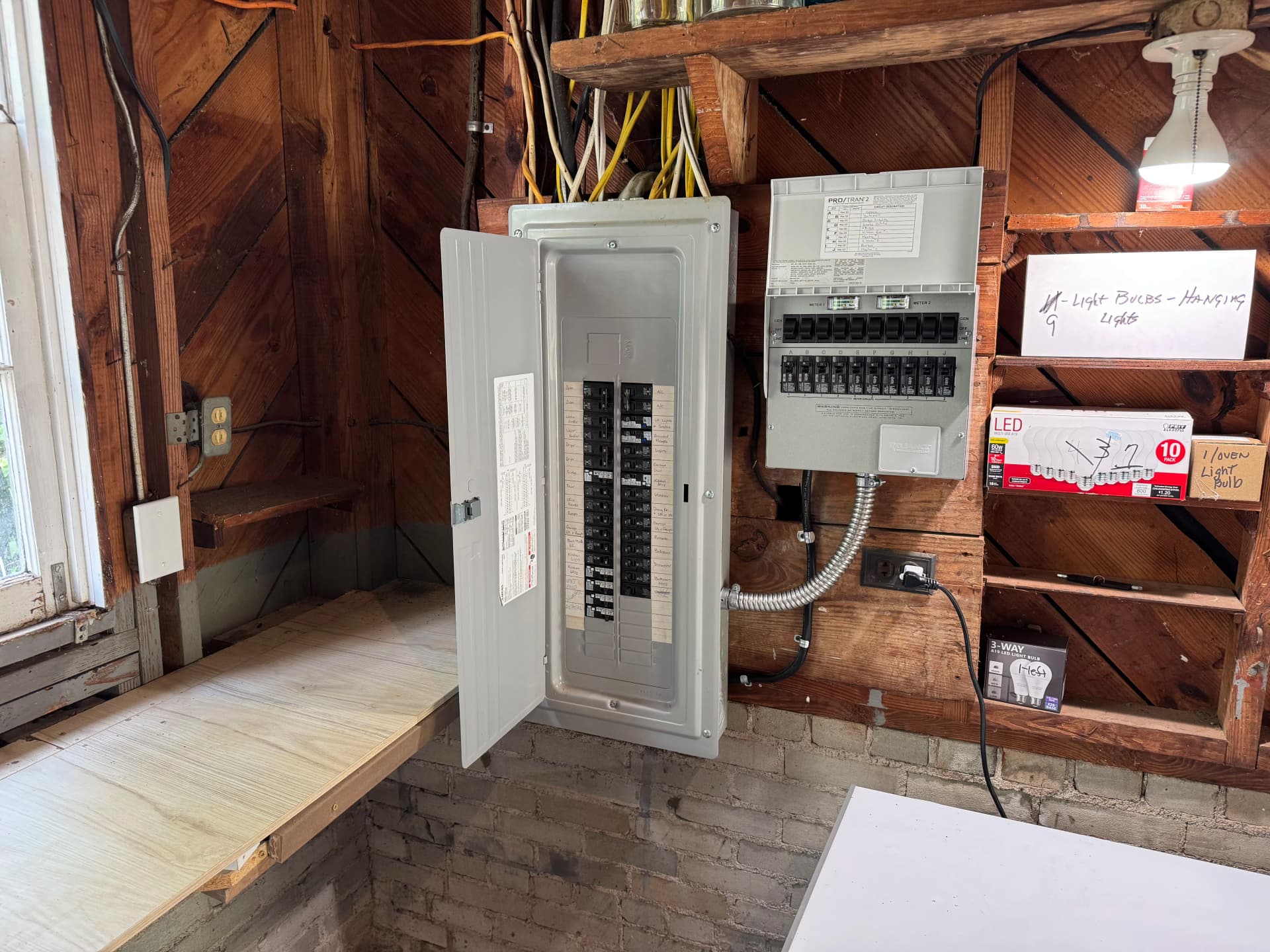
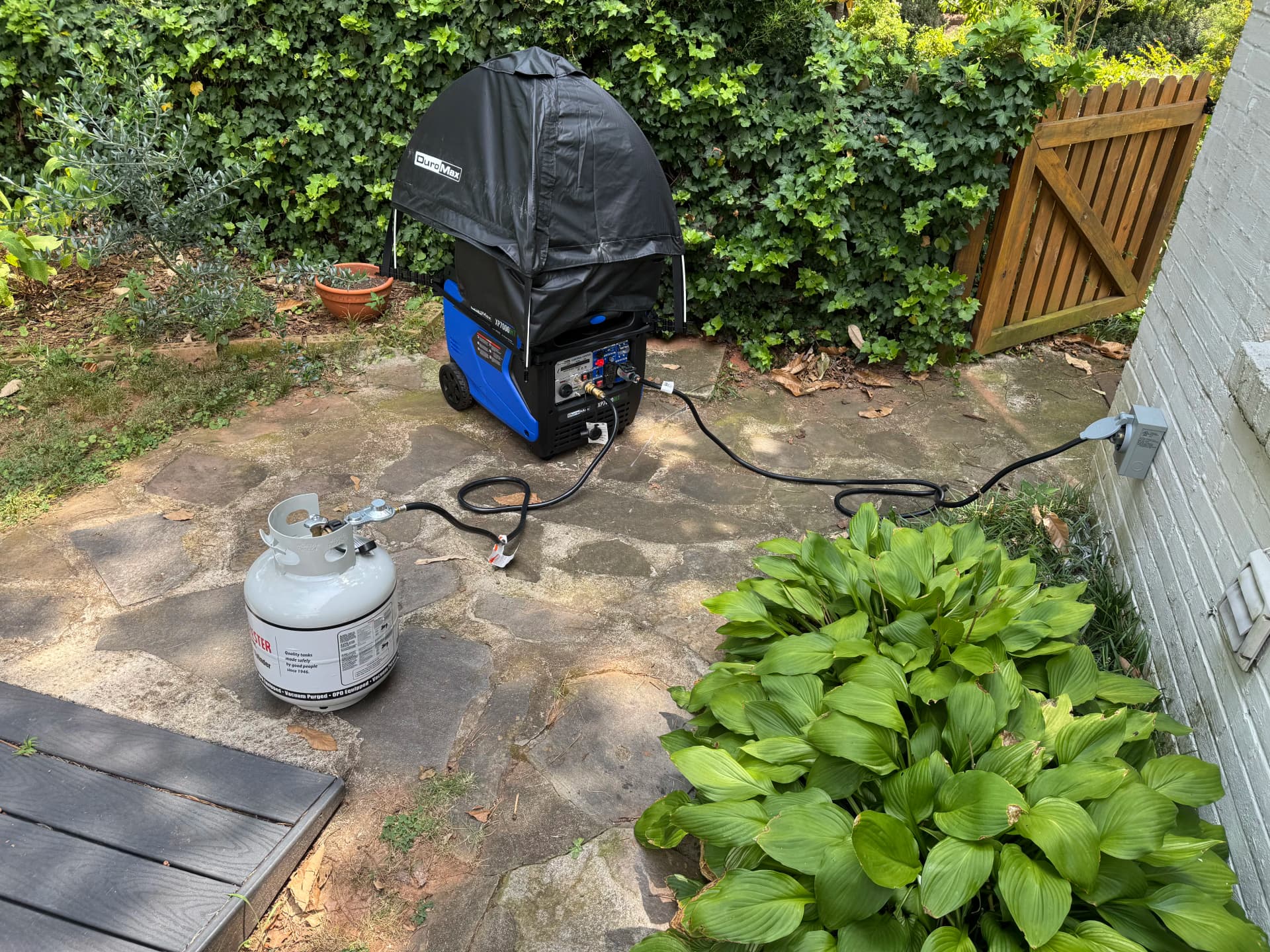
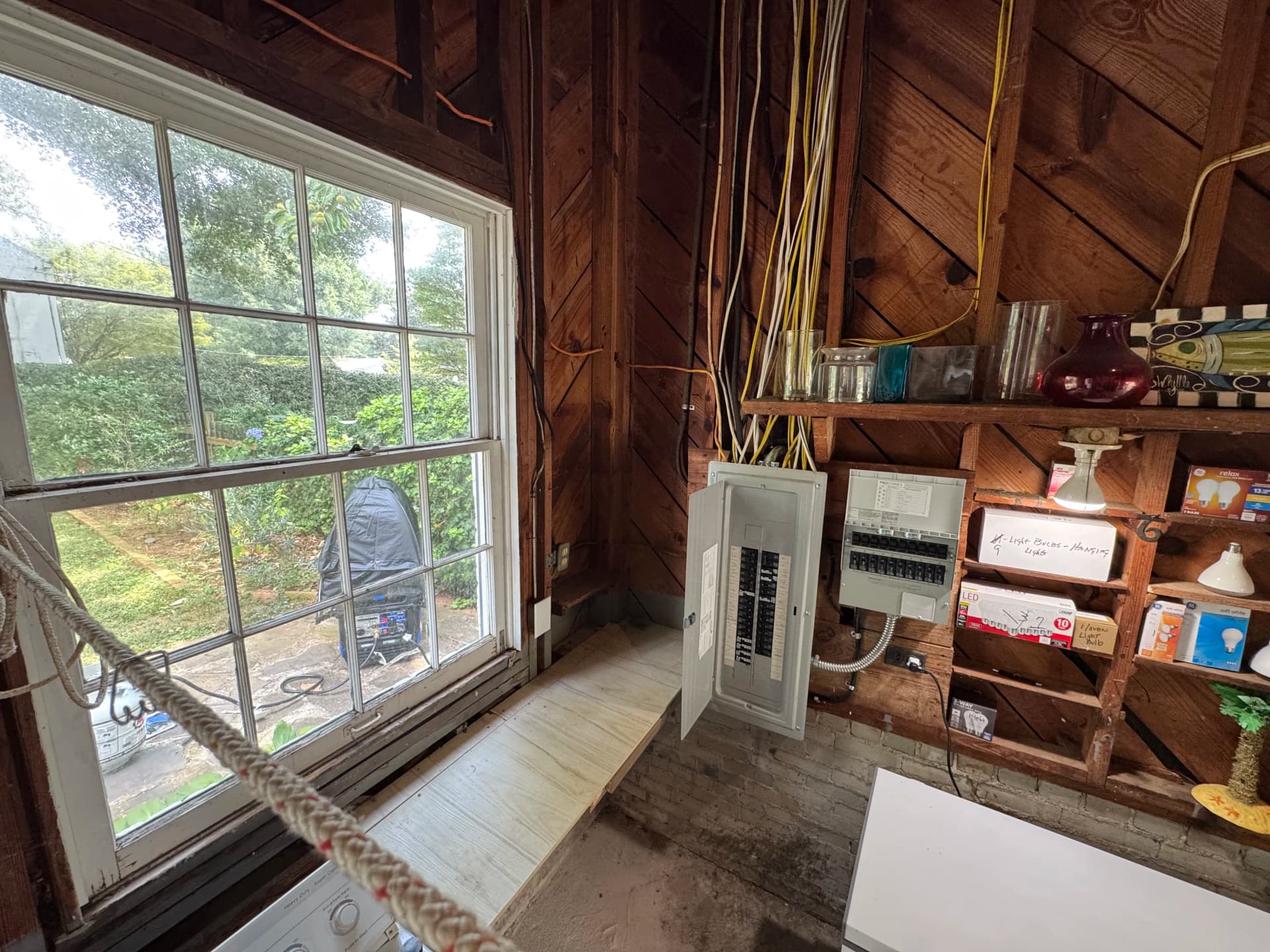
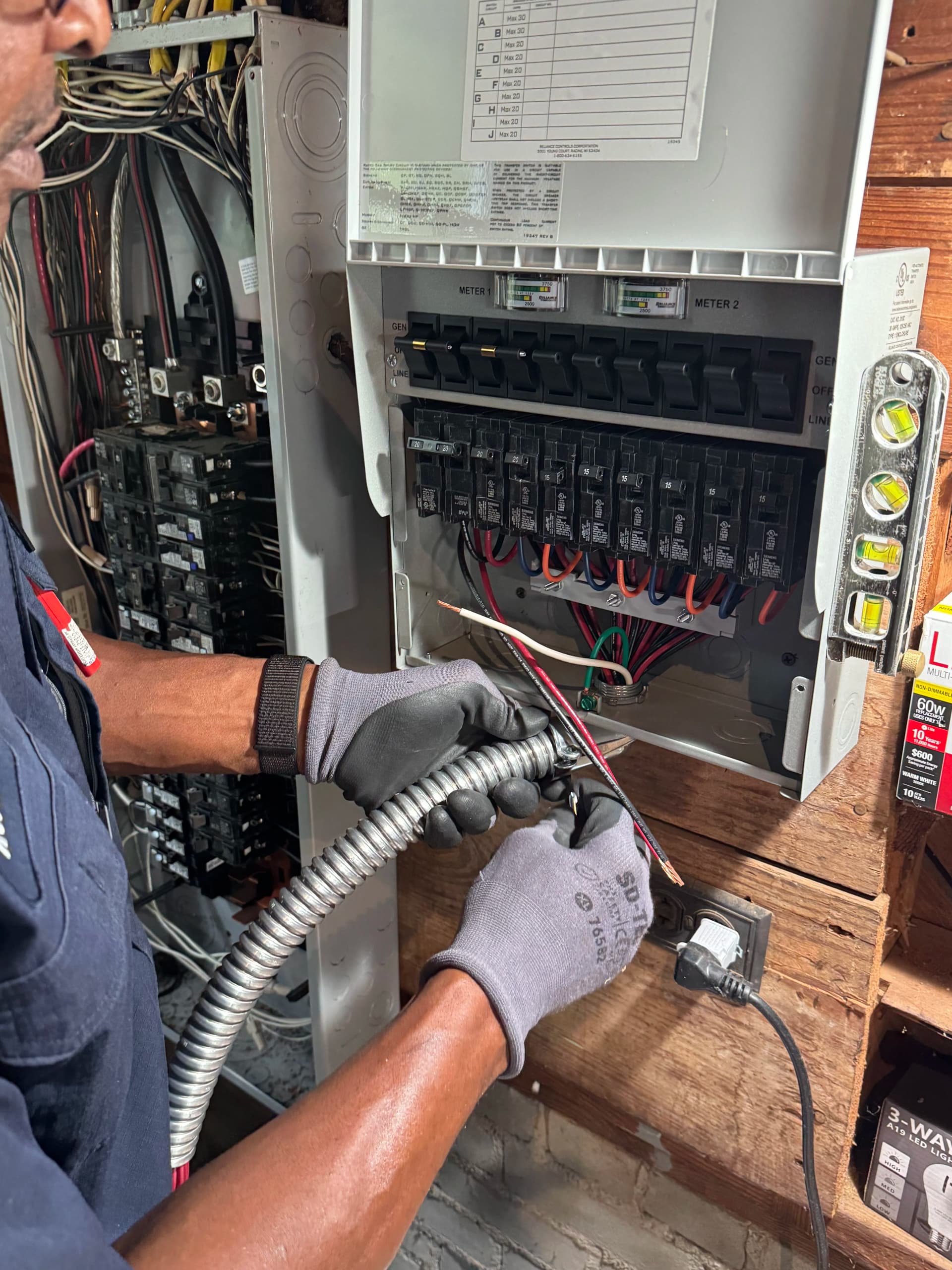
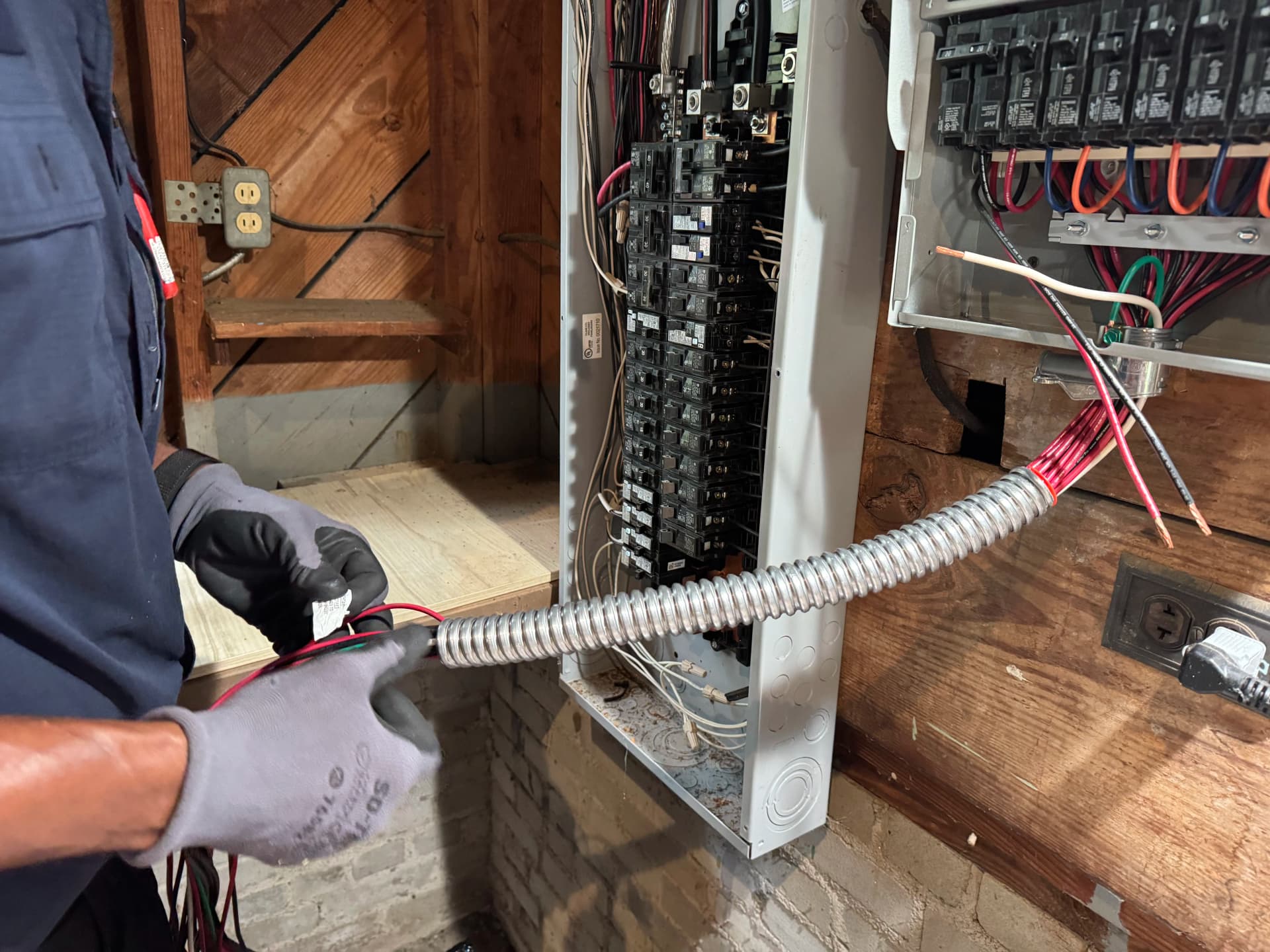
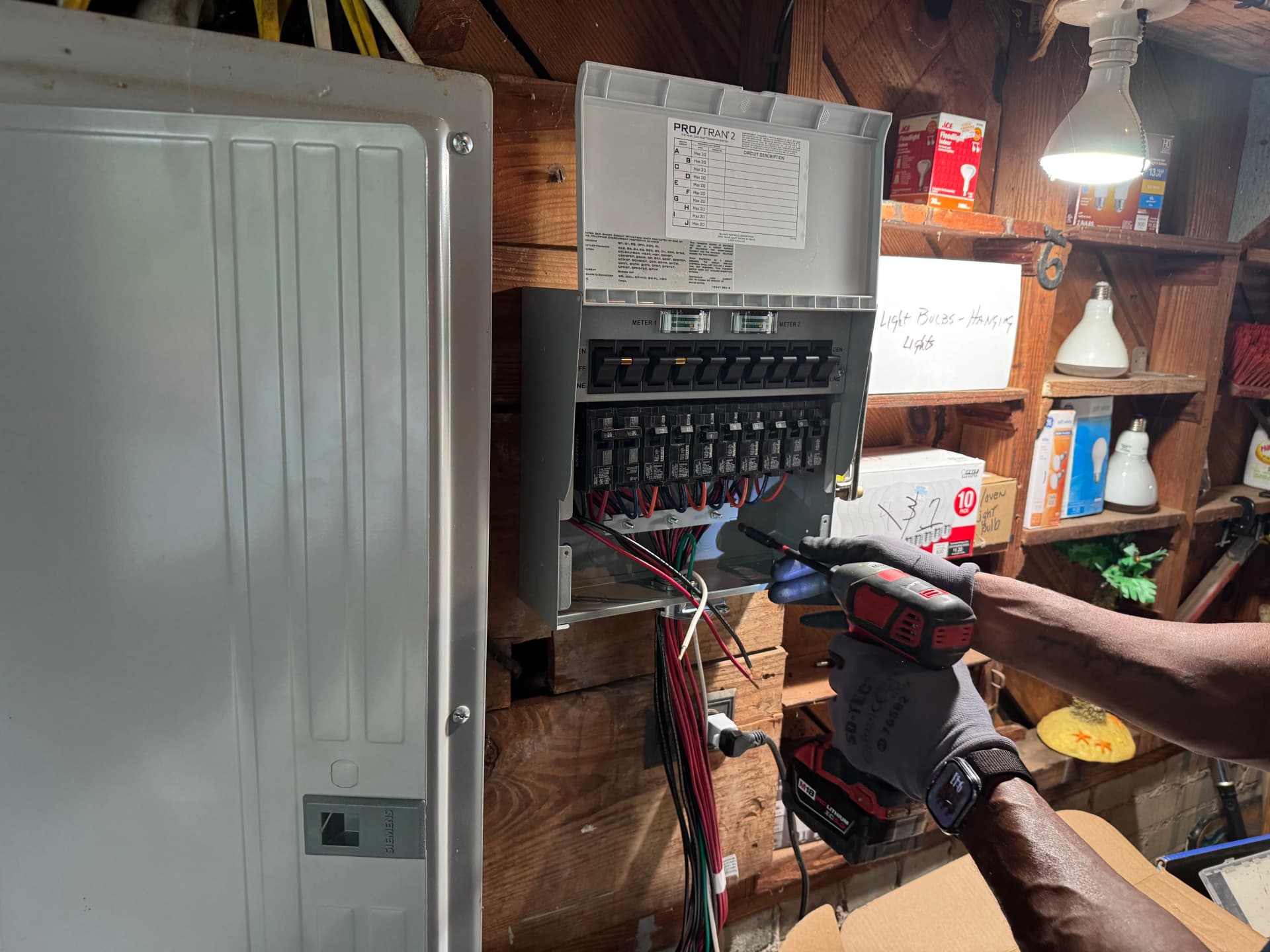
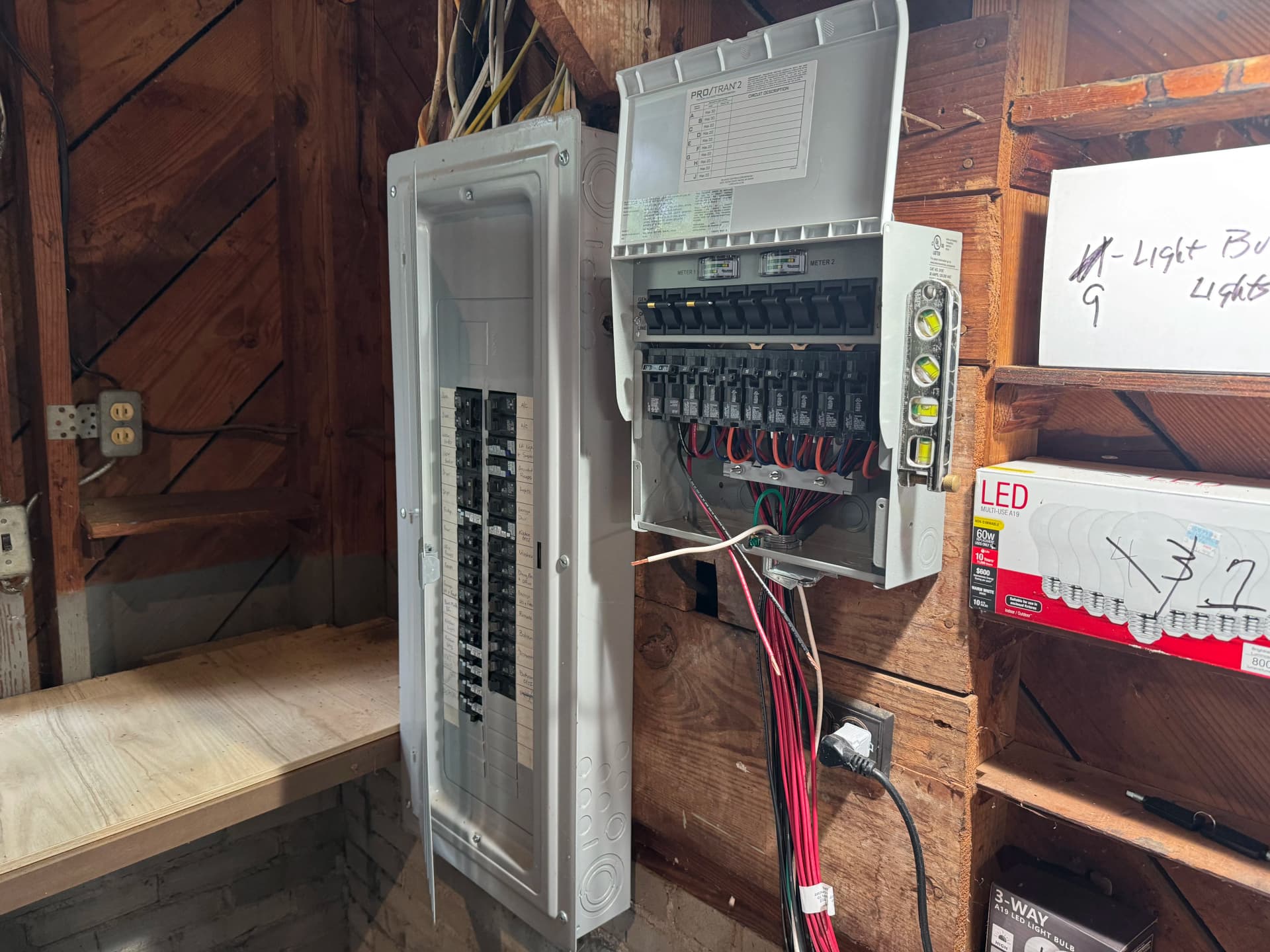
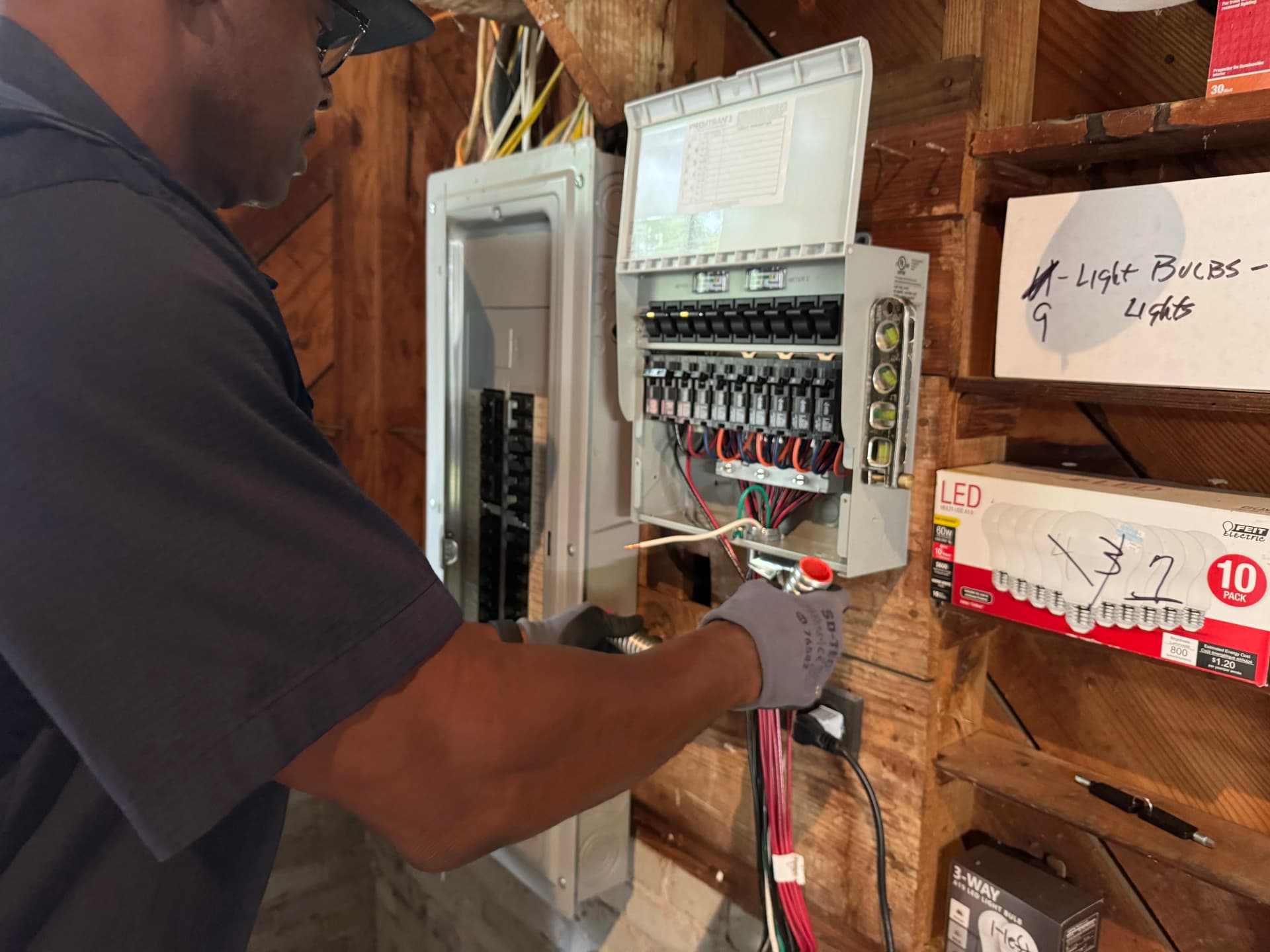
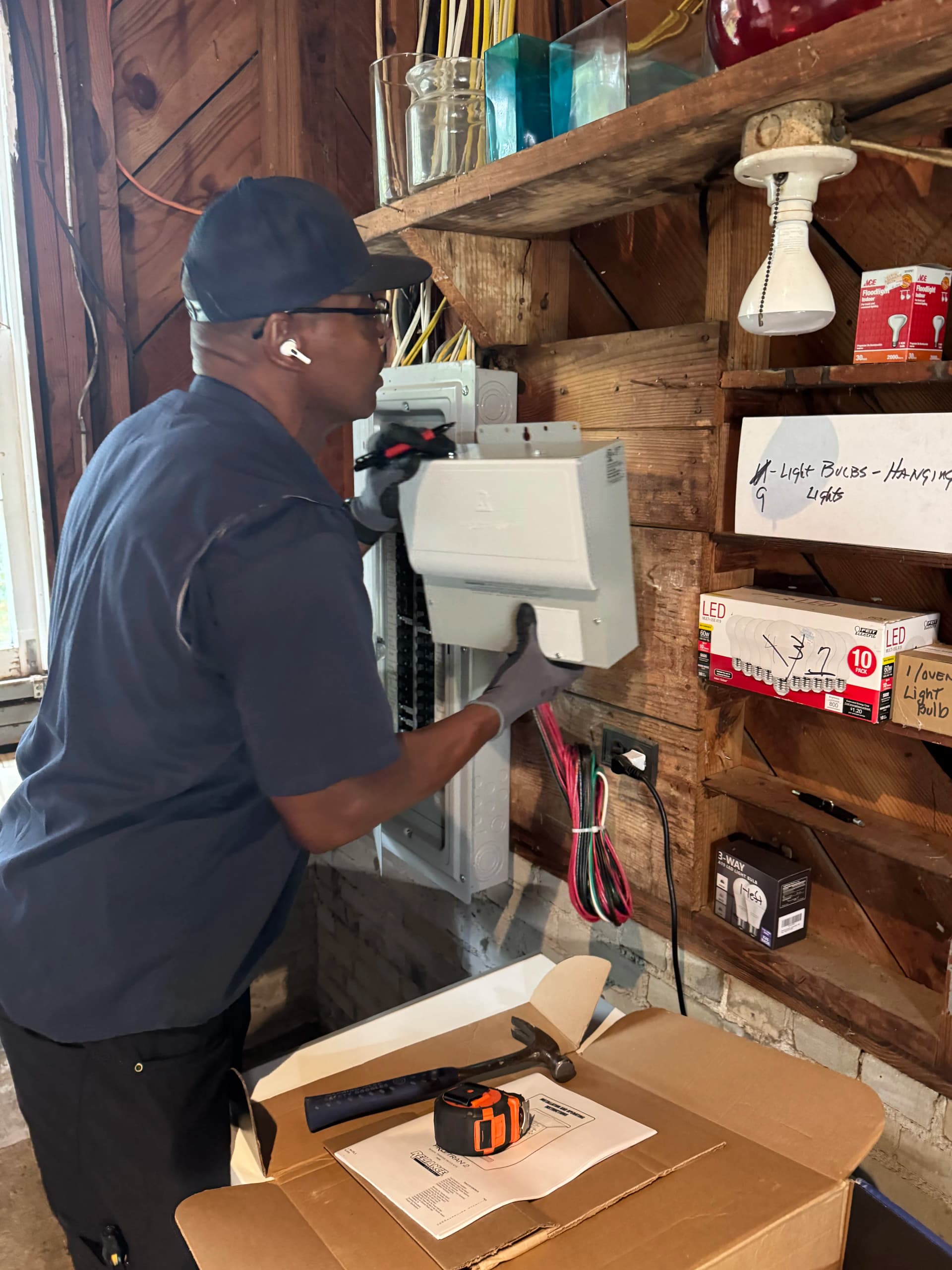
We installed a 10-circuit ProTran manual transfer switch mounted directly next to the existing electrical panel, along with a dedicated generator inlet on the exterior of the garage. The transfer switch gives him full control - when an outage hits, he rolls the propane generator outside, connects it at the inlet, fires it up and flips the circuits he needs. No extension cords running through the house. No carbon monoxide risk from a generator sitting in the garage. Just a clean, safe system that does exactly what it needs to do.
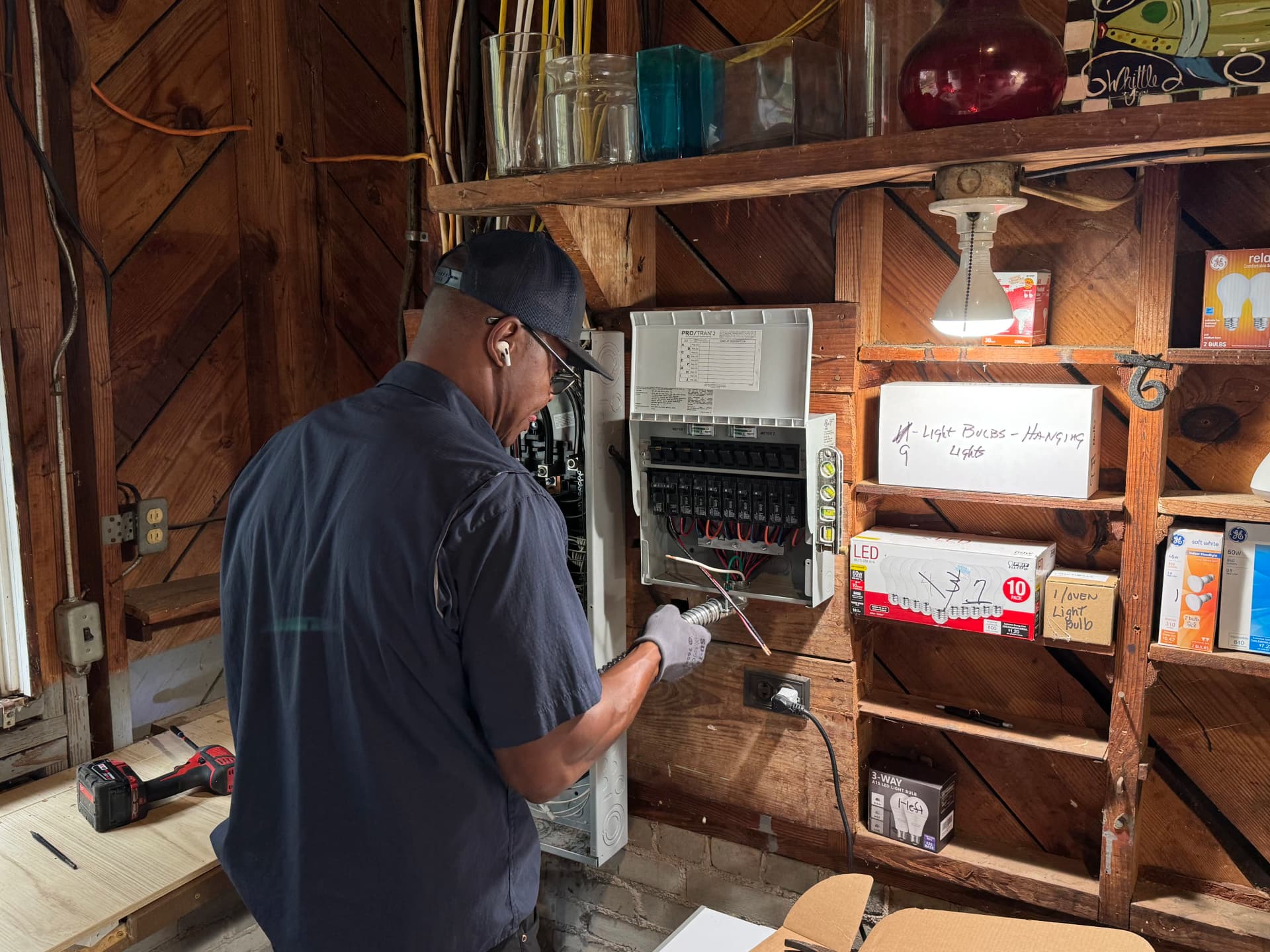
The wiring work was detailed. Every circuit had to be pulled from the main panel and landed correctly into the transfer switch, with armored conduit running the connection tight and clean. It's the kind of work that looks straightforward from the outside but requires real attention to get right - especially when someone's medical equipment is on the line.
We didn't hand over the keys and leave. We ran the whole system with him, tested every circuit and walked him through the operation step by step until he was confident doing it on his own. That's the part we take seriously. A backup power system is only useful if the person using it knows exactly what to do when the moment comes.